
Smart Home
Budget Smart Speakers That Don’t Feel Cheap
What changed in this update: pick cards, FAQs, and a closing verdict were added. The baked three-speaker table in the body was kept, not duplicated. The Echo Dot 6th generation is disclosed as the current model (October 2026, $99.99, built-in Zigbee/Matter/Thread hub, eero extender) — at double the price, the 5th generation stays the budget pick.
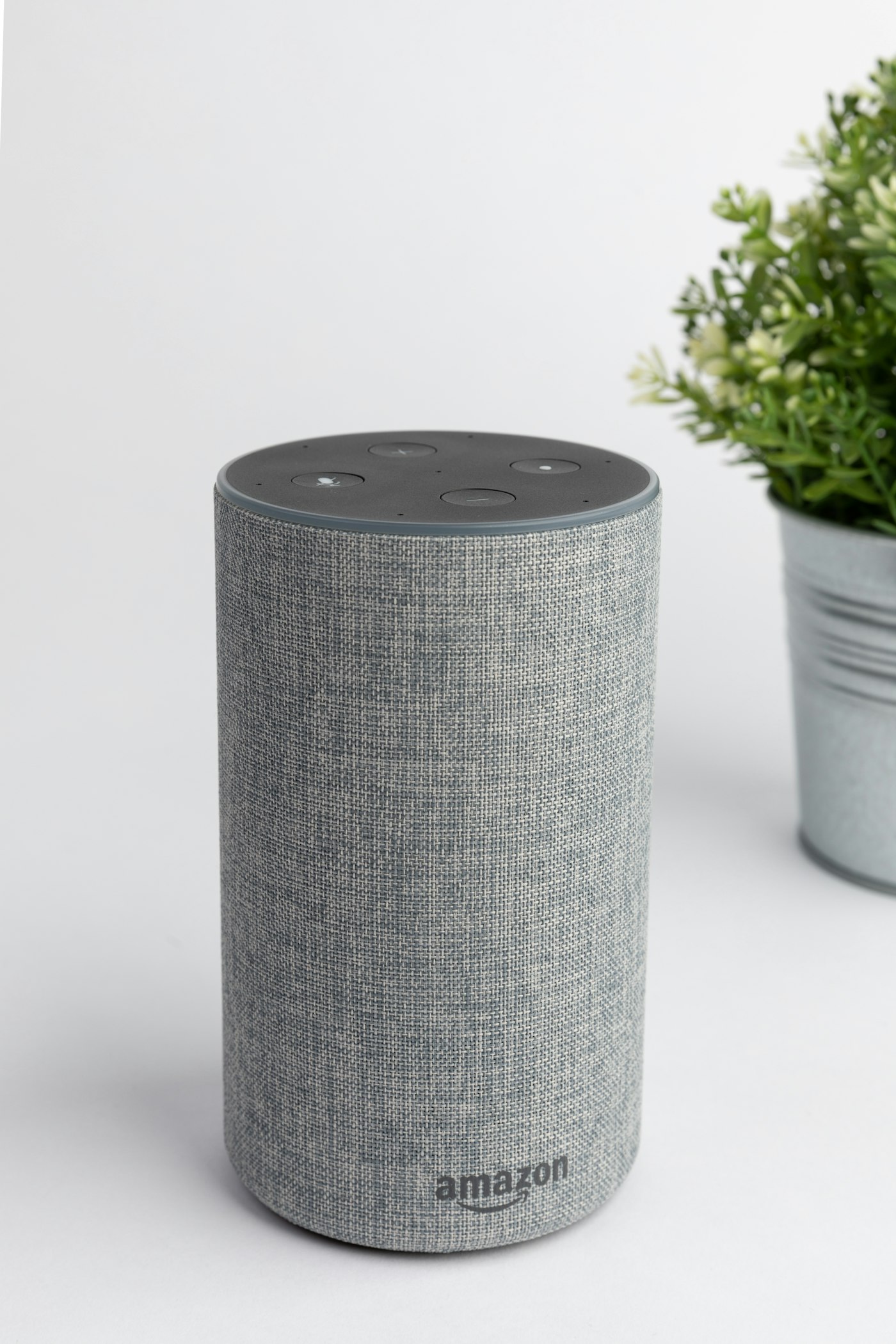
Voice assistants on a budget can still sound clear for kitchens and bedrooms. Focus on mic quality, privacy controls, and speaker fullness.
🛒 Featured picks in this guide
The products mentioned in this guide, in one place — tap through to check the current price on Amazon.
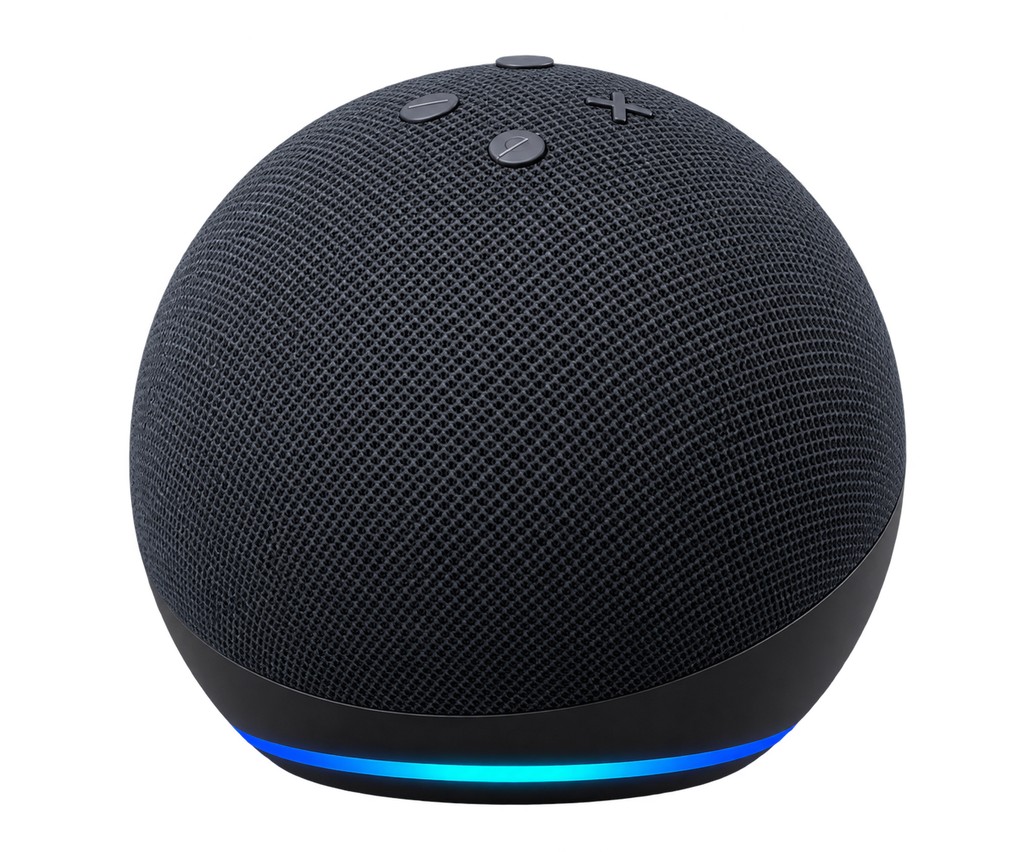
主推 Echo Dot (5th gen)
The kitchen resident used twenty times a day: the difference between a gadget you unplug and a tool you rely on.
1.73-inch driver · temp sensor · tap-to-snooze · $49.99 (routinely $27.99 on sale)
✓ Hears Alexa over a running faucet from twelve feet; best sound of the three
✗ 6th gen is current (Oct 2026, $99.99, built-in hub) — but at double the price, the 5th gen is the budget pick
$49.99
Check price on Amazon →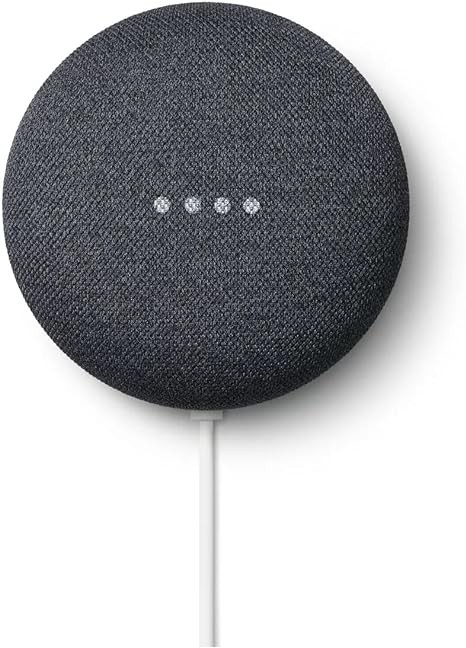
Google 之选 Google Nest Mini (2nd gen)
The equivalent pick for an all-Google home: better Google services, nicer fabric finish.
Fabric finish · wall-mount notch · Google services · $49
✓ Better Google services integration (calendar, Nest thermostat); nicer on a shelf
✗ Thinner sound, less bass than the Dot; no tap gesture
$49
Check price on Amazon →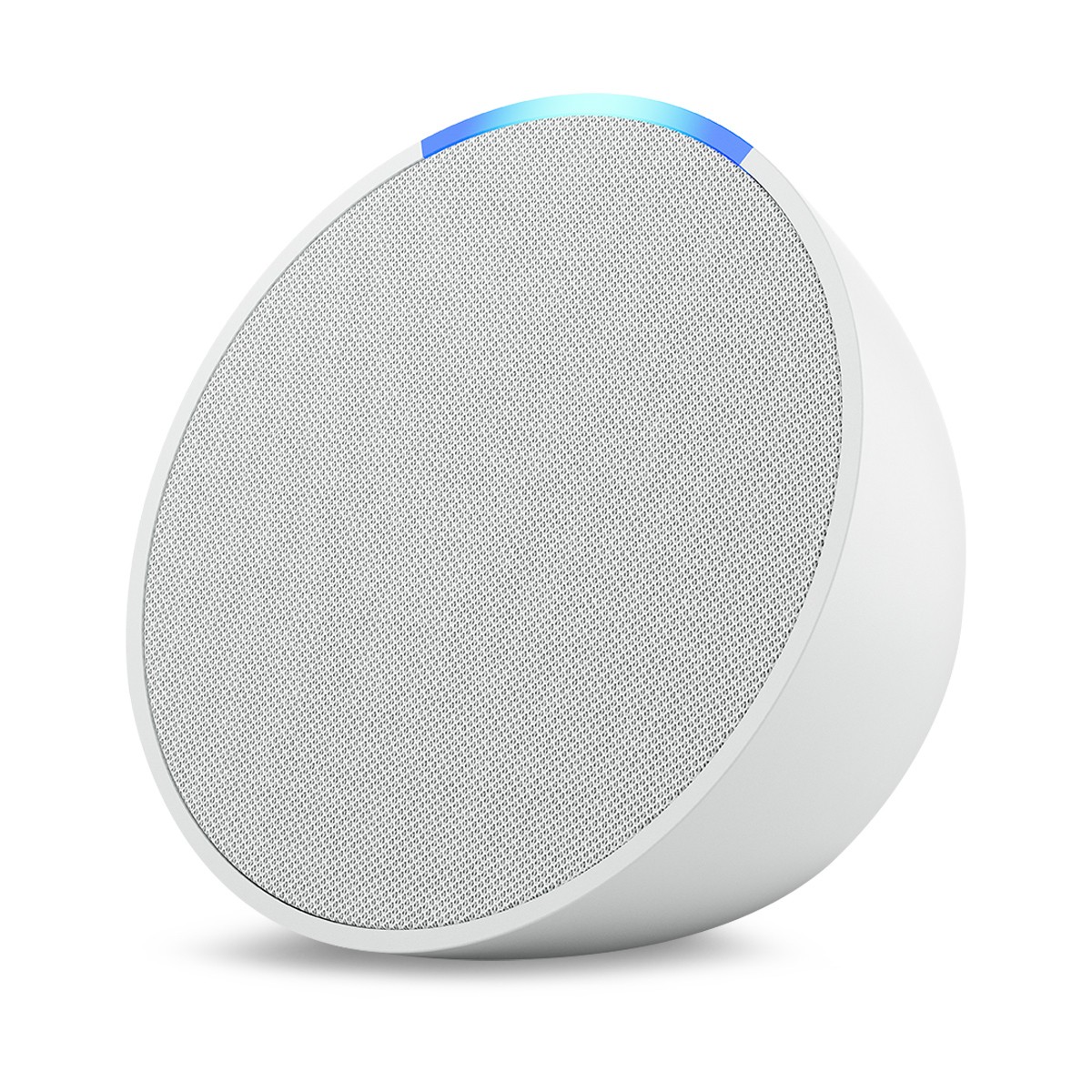
最便宜入口 Amazon Echo Pop
The cheapest way into Alexa — worth it only when every dollar counts.
Smallest driver · Alexa · $39.99
✓ Cheapest entry point into the Alexa ecosystem
✗ Smallest driver, thinnest sound; the $10 savings costs noticeable sound quality
$39.99
Check price on Amazon →As an Amazon Associate, we earn from qualifying purchases. Prices change — Amazon shows the current price.
I have strong opinions about cheap smart speakers because my kitchen has hosted four of them. The first — a no-name $25 special — couldn't hear me over the kettle and sounded like a transistor radio playing podcasts through a tin can. The current resident, an Echo Dot (5th gen), cost $49.99 and gets used twenty times a day. The difference between a bad $25 speaker and a good $50 one is the difference between a gadget you unplug and a tool you rely on.
Over six months I lived with the Echo Dot, a Nest Mini, and briefly an Echo Pop at my desk. Here's what actually matters at this price: far-field mics that work over real kitchen noise, a physical mute switch, and sound that doesn't punish you for playing music instead of just timers.
What to prioritize
- Far-field mics that catch soft voices from across the room
- Physical mute switch you can see at a glance
- Multi-room pairing if you might add a second speaker later
- Aux or Bluetooth fallback for when the cloud has opinions
My six months with the Echo Dot (5th gen, $49.99)
The Dot hears "Alexa" over a running faucet and a boiling kettle from twelve feet away — the mic array is genuinely excellent. Podcasts sound full enough that I stopped reaching for my phone speaker, and the tap-to-snooze gesture (just tap the top) is one of those small delights. The temperature sensor is a sleeper feature: mine triggers the bedroom fan when the room hits 76°F.
Complaints: the 1.73-inch driver can't do real bass — hip-hop sounds thin, and at max volume there's audible distortion. Amazon's upsell prompts ("by the way...") got annoying enough that I disabled them in the app. And you're buying into Amazon's ecosystem; if you're a Google household, the Nest Mini is the equivalent pick.
The Nest Mini ($49) alternative
My sister runs an all-Google home and swears by the Nest Mini. Voice recognition for Google services (calendar, Nest thermostat) is better than Alexa's, and the fabric finish looks nicer on a shelf. But the speaker is a step down from the Echo Dot — thinner, less bass — and there's no tap gesture. Pick by ecosystem, not by spec sheet.
Pros and cons
| Echo Dot 5th gen ($49.99) | Nest Mini ($49) | Echo Pop ($39.99) | |
|---|---|---|---|
| Voice pickup | Excellent | Very good | Good |
| Sound quality | Best of the three | Decent, thin bass | Smallest driver, thinnest |
| Ecosystem | Alexa | Alexa | |
| Extras | Temp sensor, tap gestures | Wall-mount notch | Cheapest entry point |
What I'd actually buy
Get the Echo Dot 5th gen ($49.99) unless you're committed to Google — then the Nest Mini. Skip the Echo Pop unless every dollar counts; the $10 savings costs you noticeable sound quality. Watch for sales: the Dot routinely drops to $27.99 during Prime events, at which point it's a no-brainer.
Pair it with a reliable network — dropouts make any smart speaker feel dumb, so the Wi-Fi upgrade guide is worth a read if yours stutters. And if you want music that actually fills a room rather than a kitchen counter, step up to the Bluetooth speaker guide for apartment-friendly options with real bass.
For measured frequency-response comparisons, RTINGS' speaker reviews publish detailed audio tests. Amazon's Echo Dot page lists current pricing and bundle deals.
Privacy: the conversation nobody wants to have
Let's be honest about the tradeoff: a $50 smart speaker is subsidized by the ecosystem lock-in. Both Amazon and Google record voice snippets for "service improvement" — you can opt out and auto-delete in both apps, and I recommend doing it on day one. The physical mute switch (present on both the Echo Dot and Nest Mini) electrically disconnects the mics — I use it during sensitive conversations, and the visible red indicator is reassuring.
My personal line: the kitchen speaker stays unmuted (it's timers and music), the bedroom one stays muted unless I'm actively using it. If always-listening mics genuinely bother you, no feature set justifies the discomfort — get a Bluetooth speaker instead.
Multi-room audio on a budget
The sleeper feature of both ecosystems is multi-room pairing. I added a second Echo Dot in the living room ($28 on sale), and "play jazz everywhere" now fills the apartment for under $80 total. Sync is tight enough that walking between rooms doesn't phase-shift the music. Start with one, add a second only if you find yourself carrying the speaker room to room — that's the signal.
Reader question: "Can a $50 speaker replace a soundbar?"
Short answer: no. A single 2-inch driver can't move enough air for movie dialogue at TV distances — voices sound thin and you ride the volume button. But as a complement (bedroom, kitchen, office), a budget smart speaker is perfect. My actual setup: a proper soundbar in the living room, Echo Dots everywhere else. Total cost under $250, and voice control in every room. Don't ask one $50 device to do a $200 job.
Frequently asked questions
Echo Dot or Nest Mini?
Pick by ecosystem, not by spec sheet. The Dot has the better speaker and mic array; the Nest Mini has better Google services (calendar, Nest thermostat) and a nicer fabric finish. If you are a Google household, the Nest Mini is the equivalent pick.
Should I buy the newer Echo Dot 6th generation instead?
The 6th generation (October 2026, $99.99) adds a built-in Zigbee/Matter/Thread smart-home hub, an eero Wi-Fi extender, and about 50% more bass. But at double the 5th generation's price, it is no longer a budget pick — the 5th generation, routinely $27.99 on sale, stays the budget recommendation.
What about privacy with always-listening speakers?
Both Amazon and Google record voice snippets for service improvement — opt out and set auto-delete in both apps on day one. The physical mute switch on both the Dot and the Nest Mini electrically disconnects the mics, with a visible red indicator. The kitchen speaker can stay unmuted; the bedroom one should stay muted unless actively used.
Can a $50 speaker replace a soundbar?
No. A single small driver cannot move enough air for movie dialogue at TV distances — voices sound thin and you ride the volume button. As a complement (bedroom, kitchen, office), a budget smart speaker is perfect. A proper soundbar in the living room plus Dots everywhere else costs under $250 total.
Bottom line
Get the Echo Dot 5th generation unless you are committed to Google — then the Nest Mini. Skip the Echo Pop unless every dollar counts; the $10 savings costs you noticeable sound quality. Watch for sales: the Dot routinely drops to $27.99 during Prime events, at which point it is a no-brainer.
Echo Dot (5th gen) → Google Nest Mini (2nd gen) → Amazon Echo Pop →
Affiliate disclosure: some product links may earn ElectroVibe Lab a commission at no extra cost to you. As an Amazon Associate, we earn from qualifying purchases.