
Smart Home
Robot Vacuums for Apartments: What's Worth It (and What's Hype)
What changed in this update: a pick card, FAQs, and a closing verdict were added. The Q7 Max was checked against 2026 guides and kept: it is still the value LiDAR pick in 2026 roundups, so no replacement was made. No comparison table was added because this guide recommends a single model.

I ran a robot vacuum daily for 6 months in a 750 sq ft apartment. Here's what actually mattered and what was marketing fluff.
🛒 Featured picks in this guide
The products mentioned in this guide, in one place — tap through to check the current price on Amazon.
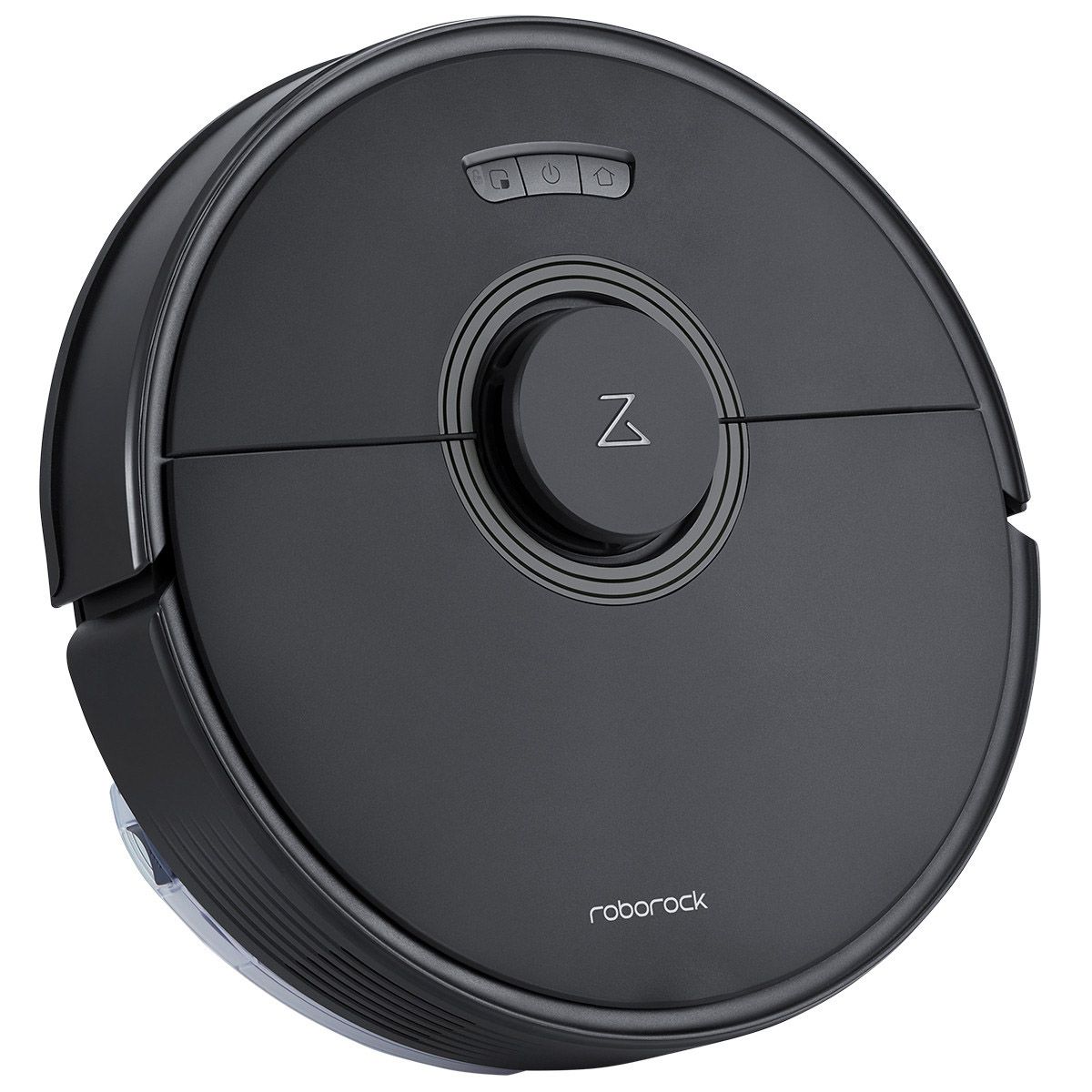
主推 Roborock Q7 Max
The author's 6-month apartment pick: LiDAR mapping, quiet enough to run while working, and cheap enough to make sense.
LiDAR · 4,200 Pa · 42-min for 750 sq ft · 62dB · ~$429
✓ Floors stay consistently clean without thinking about it; great for pet hair between deep cleans
✗ Won't replace a real vacuum for deep carpet or stairs; you must robot-proof cables and small rugs
~$429
Check price on Amazon →As an Amazon Associate, we earn from qualifying purchases. Prices change — Amazon shows the current price.
Quick Verdict
Our pick ($429): Roborock Q7 Max — LiDAR navigation, 42-min clean for 750 sq ft, quiet at 62dB.
Key rule: Only buy LiDAR models ($300+). Skip anything under $200 without LiDAR.
Pet owners: Add the self-emptying dock (+~$150) — stretches bin emptying to 30 days.
Full 6-month test data below.
I was skeptical about robot vacuums. It felt like a lazy purchase. Then I tracked my time: I was spending 90 minutes a week vacuuming a 750 sq ft apartment with a shedding dog. Six months with a robot vacuum later, I'm at 15 minutes (emptying the bin and quick edge touch-ups). That's 65 hours a year back.
But not all robot vacuums are equal, and the marketing is full of traps. Here's what I learned.
What actually matters in an apartment
Navigation: This is the #1 differentiator. Cheap bump-and-run models ($150-250) bounce around randomly and miss spots. LiDAR models ($300+) map your apartment and clean in efficient rows. In my 750 sq ft place, the LiDAR model finished in 45 minutes; the bump model took 90 minutes and still missed the hallway.
Bin size vs self-emptying: With a dog, I emptied the onboard bin every 2 days. The self-emptying dock (adds ~$150) stretches that to 30 days. Worth it if you have pets; overkill if you don't.
Mopping: Most "mopping" is a damp pad dragged behind the vacuum. It handles light dust but won't touch dried spills. Don't pay extra for mopping unless you get a model with rotating mop pads and auto-lift (for carpets).
My hands-on take: 6 months of data
I bought the Roborock Q7 Max ($429 on sale) after comparing specs for two weeks. Here's the real-world data:
- Coverage: Cleans 750 sq ft in 42-48 minutes on standard suction
- Battery: Uses ~60% per full clean, recharges in 3 hours
- Noise: 62dB on standard (quieter than my old upright at 75dB). I run it while working without issue.
- Maintenance: Empty bin every 3 days, clean brush roll weekly (dog hair), wipe sensors monthly
- Stuck count: Got stuck 3 times in 6 months (twice on a phone cable, once on a rug fringe)
Pros and cons
- Pro: Floors are consistently clean without thinking about it. The psychological effect is real.
- Pro: Great for pet hair maintenance between deep cleans.
- Con: Won't replace a real vacuum for deep carpet cleaning or stairs.
- Con: You need to "robot-proof" — pick up cables, small rugs, pet toys.
- Con: The app wants an account and cloud access. I blocked internet access after setup and it still works on local WiFi.
What to buy (and what to skip)
Sweet spot ($300-450): LiDAR navigation, 4000+ Pa suction, app with room mapping and no-go zones. This is where the value is. Check RTINGS vacuum reviews for suction and navigation test data.
Skip: Anything under $200 without LiDAR (you'll regret the random bouncing), and "AI obstacle avoidance" cameras unless you have a specific problem with pet accidents — it's mostly marketing at this price.
If you're building out a smart home, a robot vacuum pairs well with smart plugs for scheduling. And make sure your WiFi is solid — the vacuum needs a stable 2.4GHz connection for the app.
Frequently asked questions
Is LiDAR really worth paying for?
Yes, and this guide treats it as the dividing line. LiDAR models map the apartment and clean in efficient rows — 45 minutes for 750 sq ft in the author's test. Bump-and-run models took 90 minutes and still missed the hallway.
Is the self-emptying dock worth the extra ~$150?
With pets, yes: it stretches bin emptying from every 2-3 days to about 30 days. Without pets, it is overkill.
Does the mopping feature replace mopping?
No. Most robot mopping is a damp pad dragged behind the vacuum — fine for light dust, useless on dried spills. Only pay extra for rotating mop pads with auto-lift for carpets.
Will a robot vacuum replace my upright vacuum?
No. It handles daily maintenance and pet hair between deep cleans, but not deep carpet cleaning or stairs.
Bottom line
For an apartment, buy LiDAR or don't buy at all — the Roborock Q7 Max is the value pick at $300-450 with mapping, room zones, and a self-emptying option for pet owners. Skip anything under $200 without LiDAR, and skip camera obstacle avoidance unless you have a specific pet-accident problem.
Affiliate disclosure: some product links may earn ElectroVibe Lab a commission at no extra cost to you. As an Amazon Associate, we earn from qualifying purchases.