
Buying Guides
When to Upgrade Your Phone (And When to Wait)
What changed in this update: FAQs and an update date were added. This is a guide article with no product picks, so no pick cards or comparison table were added.
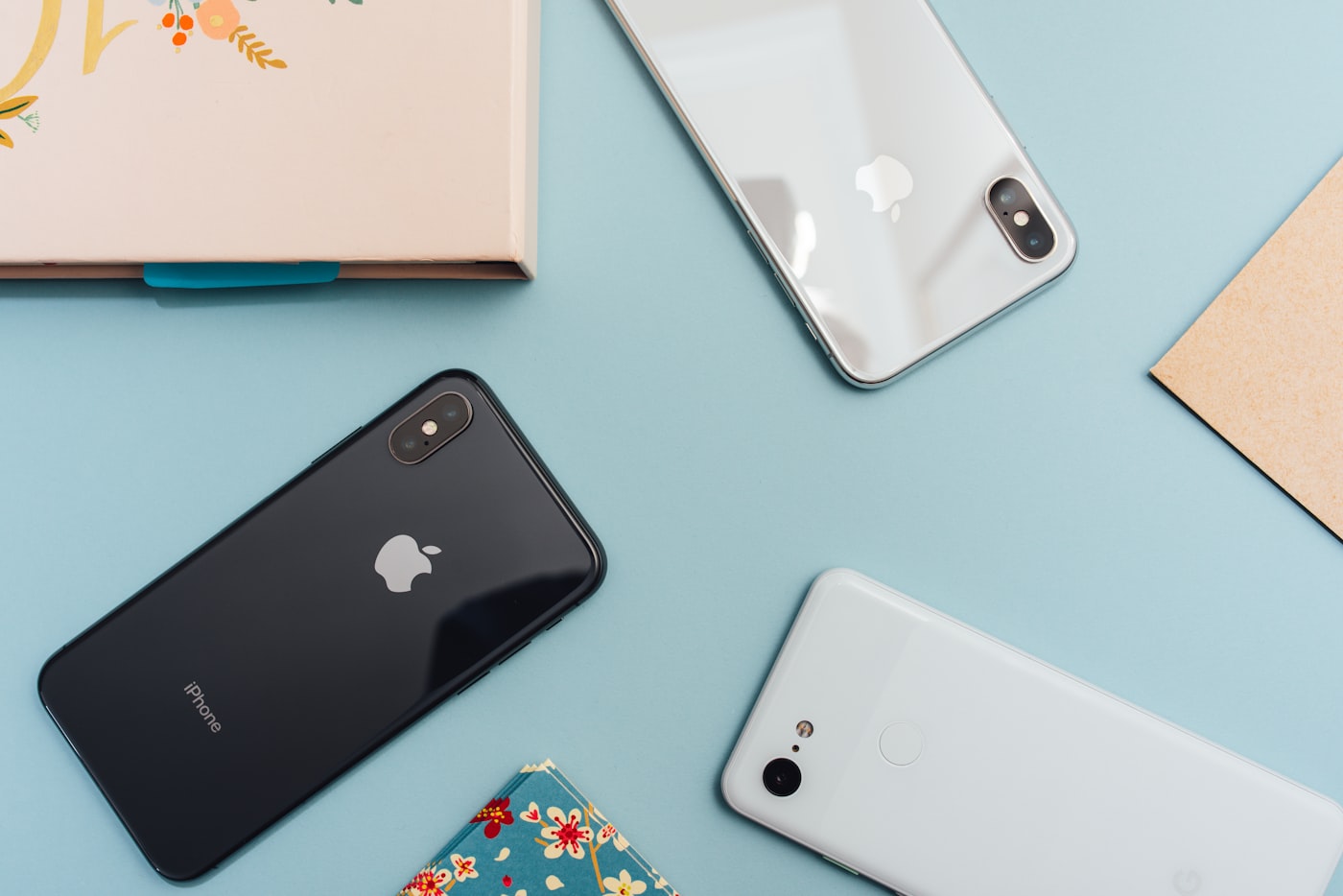
New launches arrive every fall. Your current phone might still be the better buy. Use this decision framework before you trade in.
Every September the internet insists your phone is outdated. Sometimes it is. Often it is not. Upgrading on a schedule set by marketing is an expensive habit — the average American now keeps a phone for nearly three years, and the phone companies know exactly how to make that feel too long.
This is a decision framework, not a buying guide. Run through it before every launch-season impulse.
Upgrade signals that matter
- Battery health that can't finish a normal day even after a fresh install and the battery habits in my other guide — below 80 percent capacity is the honest threshold.
- Apps or banking tools that no longer receive security updates on your OS version. A phone without security patches is a liability, not a bargain.
- Camera needs that actually changed — say, a new job that requires reliable low-light photos, not just nicer vacation shots.
- Cracked glass or a dead port where the repair quote lands within $100 of a midrange replacement.
Reasons to wait
If performance feels fine, storage has headroom, and you're inside the manufacturer's update window, wait for the next cycle or for holiday pricing. Mid-cycle "S" refreshes rarely transform daily use — the jump from iPhone 15 to 16, or Galaxy S24 to S25, was iterative by every honest measure. The real leaps now come every three to four years, not every fall.
Update windows have also gotten generous enough to reward patience: Apple supports iPhones for five to six years, Google promises seven years for Pixels, Samsung matches that on flagships. A two-year-old phone in 2026 is barely middle-aged.
What I did with my iPhone 12
I bought an iPhone 12 at launch in 2020 and kept it until 2024 — four full years, which felt radical among friends who upgrade every two. Year three is when the battery dropped to 83 percent and afternoons got anxious. Instead of upgrading, I paid Apple $89 for a battery replacement. The phone felt new: full-day battery, same cameras, same apps, iOS updates still arriving.
That $89 bought me fourteen more months. When I finally upgraded, the iPhone 16's camera and USB-C were genuinely meaningful improvements over the 12 — a four-year jump I could actually feel, versus the shrug a two-year jump would have been. Total cost of ownership: roughly $220 per year instead of $400.
The math that matters: a battery replacement is 10 percent of a flagship's price. If the battery is your only complaint, you don't have a phone problem — you have an $89 problem.
Consider the refurbished middle path before buying new. A certified refurbished previous-generation flagship — iPhone 15 Pro, Galaxy S24 — typically runs 60 to 70 percent of launch price with a fresh battery and a one-year warranty. You get 90 percent of the current model's experience for little more than half the money, and someone else absorbed the depreciation. Back Market and manufacturer refurbished stores grade condition honestly; "excellent" usually means indistinguishable from new.
Trade-in timing
Carrier deals spike around flagship launches and year-end, but read the fine print: the "free" phone usually requires a premium unlimited plan for 24-36 months, and the credits vanish if you leave early. Do the contract math for your household before swooning.
Independent refurbished buyers (Back Market, Decluttr, carrier trade programs) often pay more for clean devices a month after launch hype, when demand stabilizes — typically $200 to $400 for a two-year-old flagship in good shape. Wipe the phone properly, remove the SIM, photograph the condition before you ship it, and keep the IMEI record until the credit lands.
Pros and cons
- Pro of waiting: Every year you wait, your money buys a bigger generational leap — and prices on last year's model drop 15-25 percent.
- Pro of waiting: Battery replacement ($69-$99) fixes the most common "my phone feels old" complaint for a tenth of upgrade cost.
- Con of waiting: Security update windows do end; check yours before getting sentimental.
- Pro of upgrading: If your needs genuinely changed (new job camera requirements, 5G in your area finally matters), don't suffer for frugality's sake.
- Con of upgrading: Launch-day prices are the highest prices; the same phone is cheaper by the holidays.
Do the honest math
When you do buy, compare unlocked pricing versus carrier credits including tax and required plans. Check Apple and Samsung for unlocked prices as your baseline — carrier "deals" look worse against them. And if a smartwatch is part of the upgrade itch, read my smartwatch guide first; the subscription math there surprises people. The cheapest phone is the one you already own, kept healthy with good battery habits.
Frequently asked questions
What are the honest signals to upgrade?
Four: battery health that cannot finish a normal day even after a fresh install and good battery habits (below 80% capacity is the honest threshold); apps or banking tools that no longer receive security updates; camera needs that actually changed; or a repair quote within $100 of a midrange replacement.
Is a battery replacement really enough?
Usually, yes. The author's iPhone 12 dropped to 83% in year three; an $89 Apple battery replacement made it feel new and bought fourteen more months. Total cost of ownership came to roughly $220 per year instead of $400. If the battery is your only complaint, you have an $89 problem, not a phone problem.
What about the refurbished middle path?
A certified refurbished previous-generation flagship — iPhone 15 Pro, Galaxy S24 — typically runs 60-70% of launch price with a fresh battery and a one-year warranty. You get about 90% of the current model's experience for little more than half the money, and someone else absorbed the depreciation.
When do trade-ins pay best?
Carrier deals spike around launches and year-end, but the 'free' phone usually requires a premium unlimited plan for 24-36 months, and credits vanish if you leave early. Independent refurbished buyers often pay more for clean devices a month after launch hype — typically $200-400 for a two-year-old flagship in good shape.
Affiliate disclosure: some product links may earn ElectroVibe Lab a commission at no extra cost to you. As an Amazon Associate, we earn from qualifying purchases.