Everyday Tech
Portable Chargers Worth Packing for Weekend Travel
What changed in this update: pick cards, FAQs, and a closing verdict were added. Both banks were checked against 2026 guides and kept: the 737 is still the laptop-charging pick and the 622 is still the pocket pick. One correction: the body understated the 737's output; the manufacturer rating is 140W, fixed in both the body and the card.
Festival maps, boarding passes, and photo dumps drain phones fast. Pack a power bank that matches your ports—and airline rules.
🛒 Featured picks in this guide
The products mentioned in this guide, in one place — tap through to check the current price on Amazon.
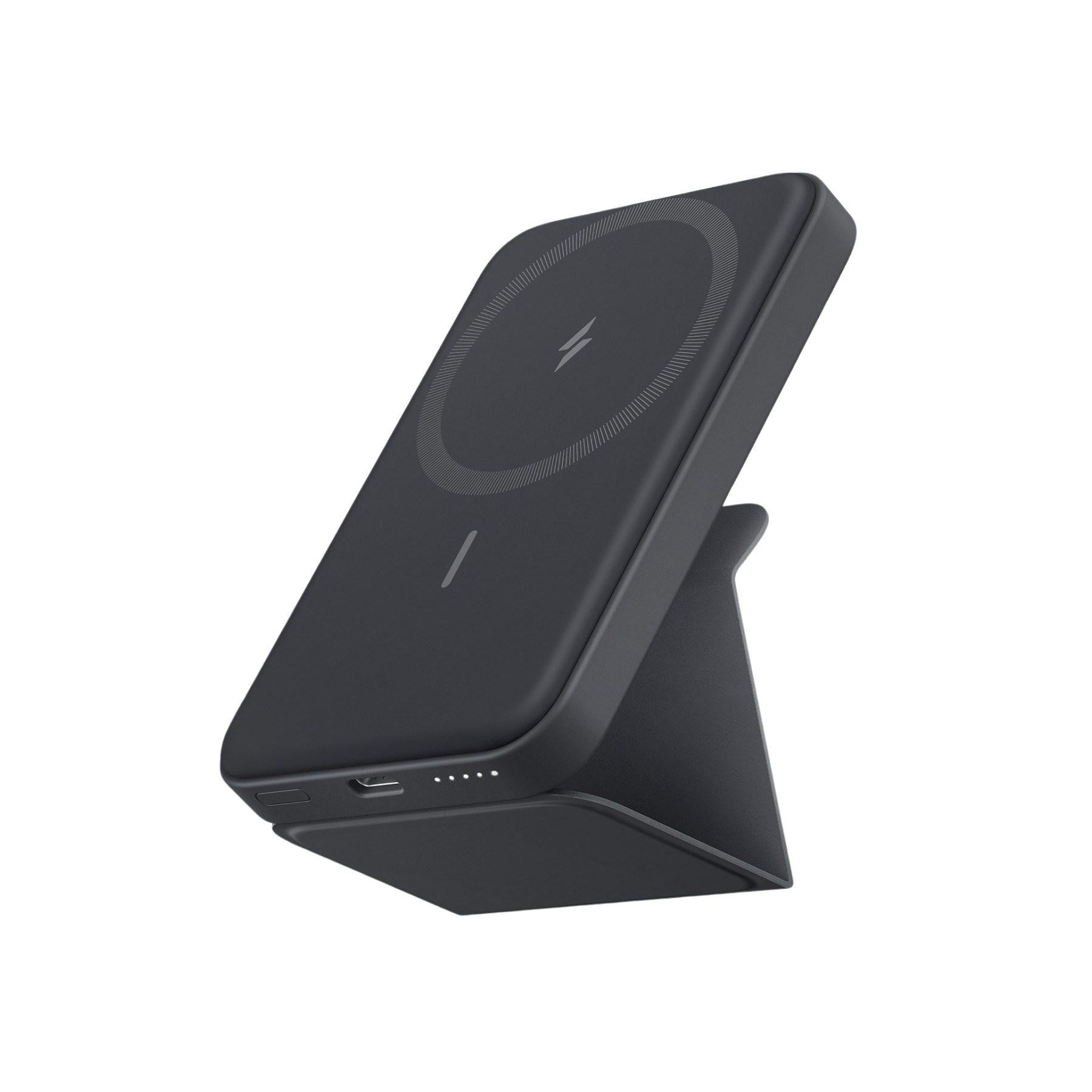
轻装之选 Anker 622 Magnetic Power Bank
The author's weekend pick: snaps to the back of an iPhone and disappears into a pocket.
5,000mAh · ~130g · magnetic snap · foldable stand
✓ Perfect for the 4 p.m. top-up that gets you through dinner
✗ Not a full recharge; magnets hold for walking, not for running
Check price on Amazon →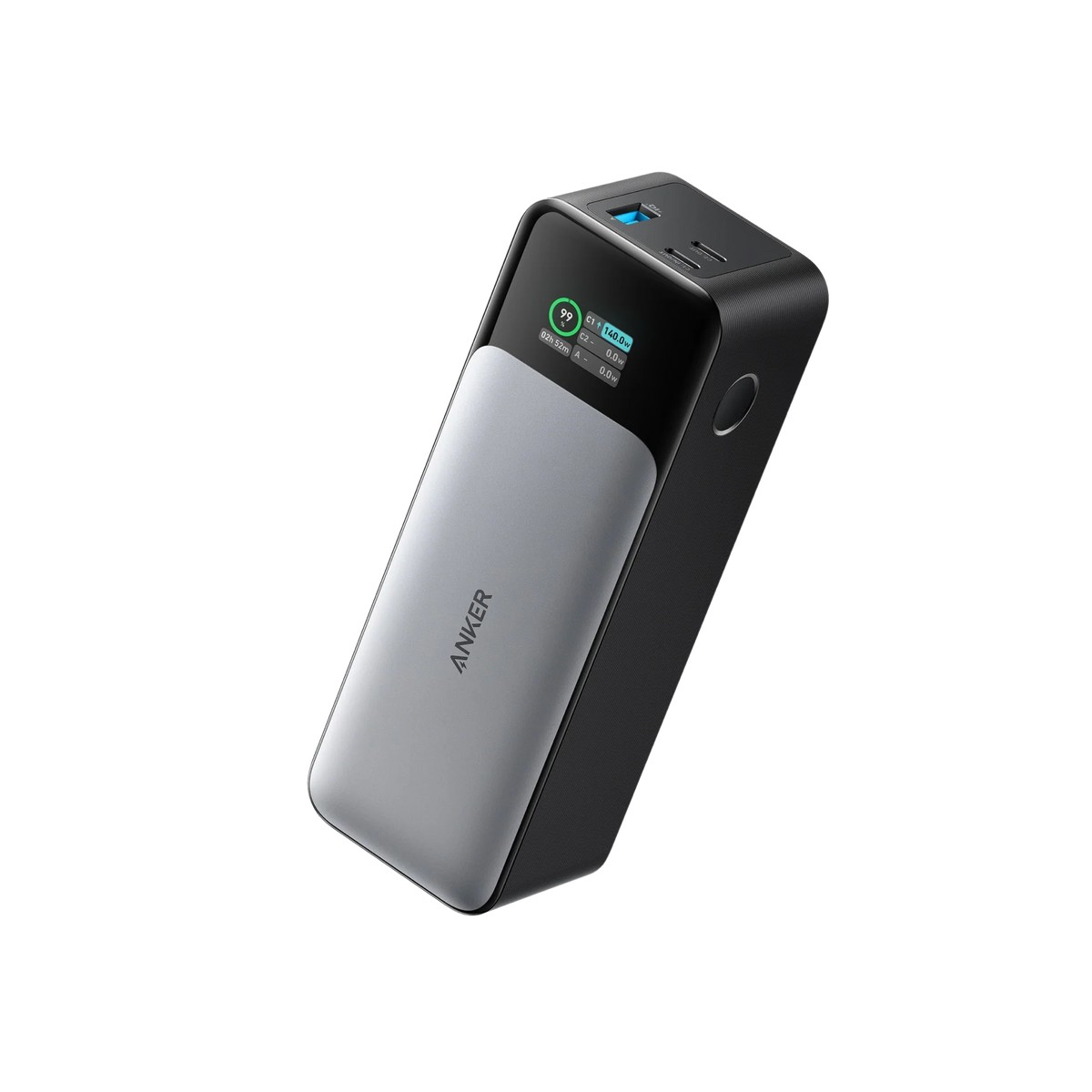
笔记本之选 Anker 737 PowerCore 24K
The brick that charges a laptop at near-full speed and ends cable-guessing with a live wattage display.
24,000mAh · 140W · 3 ports · smart display · 630g · ~$150
✓ Still the laptop-charging pick in 2026 guides; 89% measured efficiency at 100W
✗ 630g is heavy enough to get left behind; needs a high-wattage charger to refill fast
~$150
Check price on Amazon →As an Amazon Associate, we earn from qualifying purchases. Prices change — Amazon shows the current price.
A weekend in a new city means maps, tickets, and group chats. Hotel outlets hide behind beds. A power bank is the difference between documenting dinner and staring at a black screen on the ride home.
The trick is matching capacity to the trip — and knowing the airline rule that governs everything.
The 100Wh rule runs everything
Airlines cap spare batteries at 100Wh in carry-on, no exceptions, and never in checked bags. Convert: watt-hours = (mAh × 3.7V) / 1000. So a 10,000 mAh bank is 37Wh (fine), 20,000 mAh is 74Wh (fine), and 27,000 mAh is 99.9Wh (just under the wire). Anything marketed above 27,000 mAh needs airline approval — don't be the person repacking at security.
Capacity without bulk
10,000 mAh covers one to two full phone recharges for a short trip and stays pocketable at ~200g. 20,000 mAh suits tablet users and multi-day festivals but at ~350-450g feels like a second phone in a small sling. Real usable capacity is about 60-65 percent of the labeled number after voltage conversion losses — a "10,000 mAh" bank delivers roughly 6,000-6,500 mAh to your phone. Manufacturers aren't lying; physics just takes its cut.
What I pack
For weekend trips I carry the Anker 622 Magnetic (5,000 mAh, ~130g). It snaps to the back of my iPhone and disappears — not enough for a full recharge, but perfect for the 4 p.m. top-up that gets you through dinner. The magnets are strong enough for walking; I wouldn't trust them on a run.
For longer trips or travel with a partner, I bring the Anker 737 PowerCore 24K (24,000 mAh, 140W, ~$150). It's a brick at 630g, but 140W output charges my laptop at near-full speed, and the little smart display showing wattage per port ended my cable-guessing forever. On a four-day trip last fall it charged two phones and a watch nightly with juice to spare.
The mistake I made for years: buying the biggest capacity and leaving it home because it was too heavy. A 10,000 mAh bank you actually pack beats a 24,000 mAh bank sitting in a drawer. Match the bank to the bag, not the fantasy.
Ports that match your kit
USB-C in and out simplifies cable count to one. Look for clear wattage labels — at least 20W output for modern phones (a full iPhone charge in ~90 minutes), 45W+ if you want to charge a laptop. Passthrough charging is handy in airports: plug the bank into the wall and your phone into the bank, and both fill overnight from one outlet. Check that input wattage matches too; a bank that outputs 65W but only inputs at 18W takes all night to refill itself.
The cable is half the system
A 100W power bank with a 60W-rated cable charges at 60W — the cable is the bottleneck, and cheap cables lie about their rating. For laptop charging, buy cables explicitly rated 100W (look for the printed wattage or USB-IF certification); for phones, 60W is plenty. Length matters too: a 2-meter cable loses more to resistance than a 0.5-meter one, which is why short cables charge measurably faster from the same bank.
And consider whether you need a bank at all versus a GaN wall charger. A 65W GaN charger is the size of a golf ball now and weighs ~100g — for hotel-based trips with reliable outlets, it replaces both the bank and the laptop brick. I pack the GaN charger for city weekends and the power bank for festivals, flights, and anywhere outlets are a rumor.
Safety tells
Choose brands with proper certifications (UL, CE) and protective circuits — Anker and Belkin are the safe defaults. Swollen packs belong in e-waste recycling, not in your backpack; if a bank feels puffy or gets hot when idle, retire it. Charge the bank at home the night before so day-of packing is grab-and-go — a dead power bank is just weight.
Pros and cons
- Pro: 10,000 mAh at ~200g is the sweet spot — one to two phone charges, pocketable, well under airline limits.
- Pro: USB-C PD banks double as laptop chargers in a pinch; one brick can replace a wall charger.
- Con: Real usable capacity is ~60 percent of labeled — do the math before trusting "charges your phone 4x" claims.
- Con: High-capacity banks are heavy enough to get left behind; honesty about your bag beats specs.
Pack for the trip you take
Weekend city break: 10K slim bank. Multi-day or multi-device: 20K with 65W+ output. And keep the phone itself healthy with battery habits so you need the bank less often. If your phone's battery is the reason you're shopping, check my upgrade guide first — sometimes the $89 fix beats the $40 accessory. For the fitness tracker that always dies mid-trip, my smartwatch picks favor the ones that sip power.
Frequently asked questions
What is the airline 100Wh rule?
Spare batteries fly in carry-on only, never in checked bags, capped at 100Wh each. Convert with watt-hours = (mAh x 3.7V) / 1000: 10,000mAh is 37Wh, 20,000mAh is 74Wh, and 27,000mAh is 99.9Wh — just under the wire. Anything marketed above 27,000mAh needs airline approval.
Why does my 10,000mAh bank only deliver ~6,500mAh?
Physics takes its cut. Real usable capacity is about 60-65% of the labeled number after voltage conversion losses. Manufacturers are not lying; do the math before trusting 'charges your phone 4x' claims.
Which one should I pack, the 622 or the 737?
Match the bank to the bag, not the fantasy. The 622 is for weekend city breaks — a pocket top-up. The 737 is for multi-day trips, travel with a partner, or anything with a laptop. A 10,000mAh bank you actually pack beats a 24,000mAh bank sitting in a drawer.
Can the cable bottleneck my fast charging?
Yes. A 100W power bank with a 60W-rated cable charges at 60W, and cheap cables lie about their rating. For laptop charging, buy cables explicitly rated 100W with printed wattage or USB-IF certification; for phones, 60W is plenty.
Bottom line
Pack for the trip you take: the Anker 622 for weekend city breaks, the Anker 737 for laptops and multi-day trips. And if your trip is hotel-based with reliable outlets, a 65W GaN charger at ~100g may replace both.
Affiliate disclosure: some product links may earn ElectroVibe Lab a commission at no extra cost to you. As an Amazon Associate, we earn from qualifying purchases.